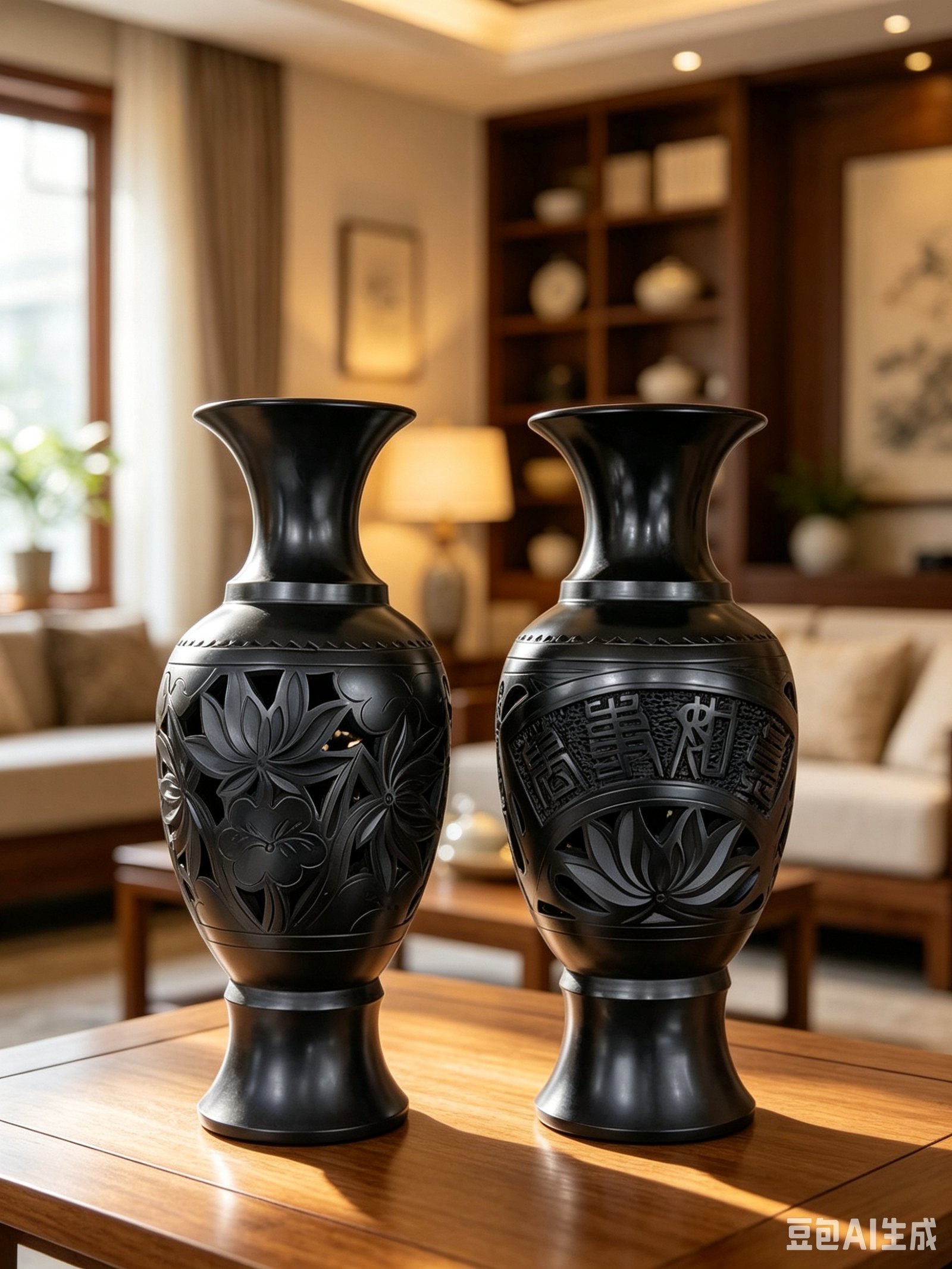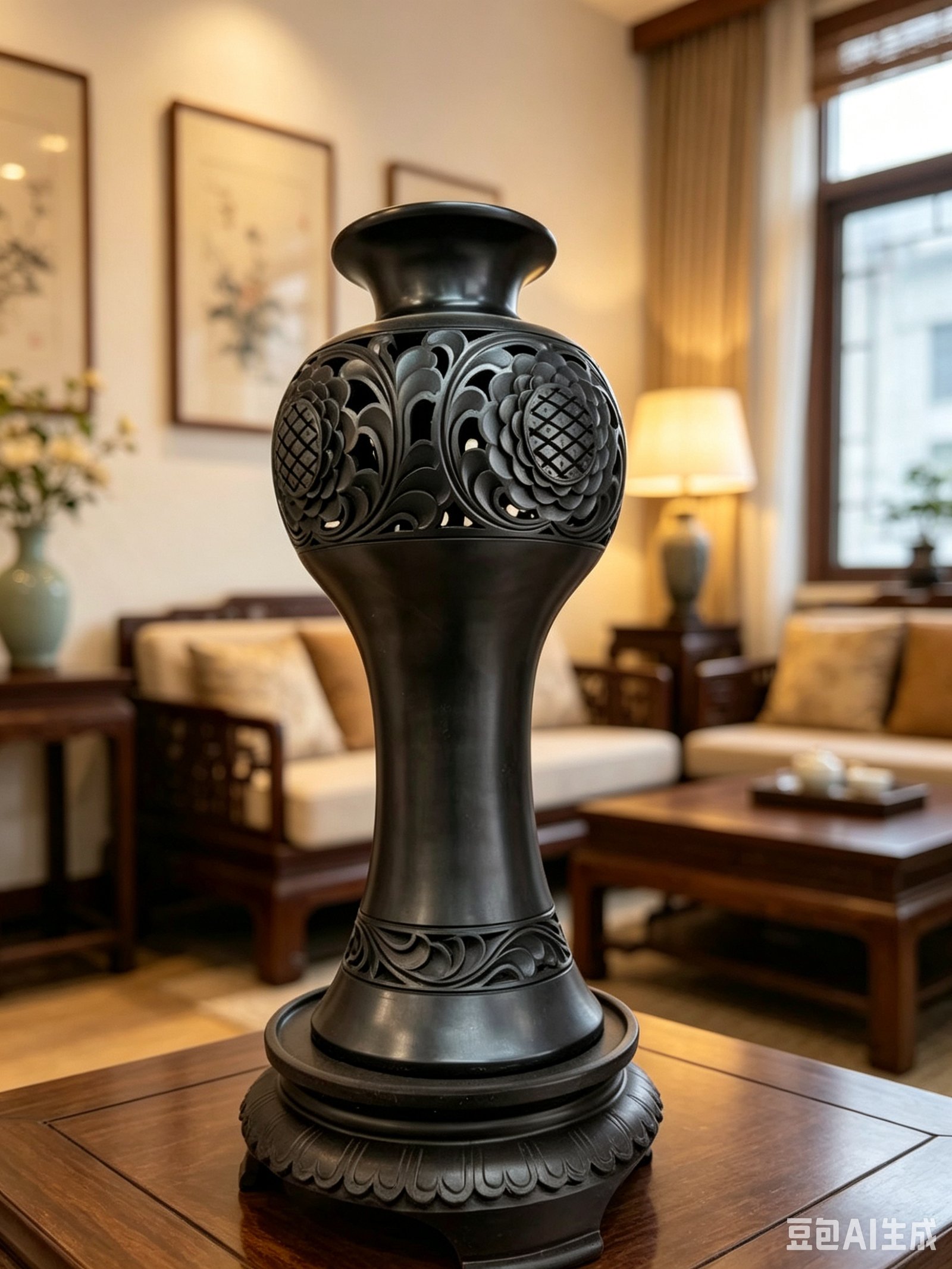
Long before porcelain became the symbol of Chinese ceramics abroad, a Neolithic society in northern China was already producing some of the most technically advanced pottery the ancient world had ever seen. That society is known today as Longshan culture, and its black pottery remains one of the most remarkable achievements in early ceramic history.
To understand why black pottery looks and feels the way it does today, it helps to start at the source — the Longshan culture itself.
What Is Longshan Culture?
Longshan culture refers to a Late Neolithic society that flourished in the Yellow River valley of northern China, roughly between 3000 and 1900 BCE. It takes its name from Longshan Town in Shandong Province, where the first major archaeological discoveries were made in the late 1920s.
Longshan culture emerged from earlier Yangshao and Dawenkou traditions and represents a major leap forward in technology, social organization, and craft specialization. Settlements from this period show evidence of rammed-earth walls, early bronze fragments, oracle bone divination, and — most famously — extraordinary black pottery.
This period sits right at the edge of Chinese prehistory and early dynastic civilization, making Longshan culture a key bridge between the Neolithic world and the beginnings of Chinese Bronze Age society.
The Black Pottery of Longshan Culture
The pottery most associated with Longshan culture is defined by a few unmistakable features:
- A deep, lustrous black surface achieved without any painted decoration
- Extremely thin walls, in some cases only 0.5 to 1 millimeter thick — thinner than an eggshell
- Wheel-thrown precision, made possible by the fast-spinning potter’s wheel, a technology that set Longshan apart from earlier hand-built traditions
- Minimal ornamentation, relying on form, proportion, and surface finish rather than painted patterns
This black color was not achieved with glaze or pigment. Instead, Longshan potters used a smoke-reduction firing process: near the end of firing, the kiln’s oxygen supply was deliberately reduced, causing carbon smoke to permeate the clay body and turn it black. This is a fundamentally different approach from the painted red-and-black pottery of earlier cultures, and it required exact control over kiln temperature, airflow, and timing — a level of technical mastery that still impresses ceramicists today.
The most famous examples are the so-called “eggshell” black pottery cups (dan ke hei tao), so thin and delicate that many could not have survived daily use. Archaeologists generally believe these were made for ritual or ceremonial purposes rather than ordinary meals, reflecting the importance placed on fine craftsmanship in Longshan society.
Why Longshan Culture Matters to Ceramic History
Longshan culture holds a unique place in the history of ceramics for several reasons:
It marks one of the earliest confirmed uses of the fast potter’s wheel in China. Before this, most Neolithic pottery across the region was hand-built using coiling or slab techniques. The precision and symmetry of Longshan vessels would have been nearly impossible without wheel-throwing.
It demonstrates advanced control over kiln atmosphere. The reduction-firing technique used to produce the signature black finish required a sophisticated understanding of how oxygen levels affect the color and hardness of fired clay — knowledge that would influence Chinese ceramic traditions for thousands of years afterward.
It reflects a society with growing social complexity. The labor and skill required to produce eggshell-thin black pottery, combined with evidence of walled settlements and early social stratification, suggests Longshan communities had specialized artisans and enough surplus resources to support non-essential, ceremonial craftsmanship.
From Longshan Culture to Later Chinese Ceramics
While Longshan black pottery itself did not continue as a mainstream tradition into later dynasties, its legacy shaped Chinese ceramic aesthetics in lasting ways. The appreciation for restraint, dark surfaces, and technical precision reappeared centuries later in traditions such as Song dynasty black-glazed tea wares, which were prized for their deep, subtle tones rather than painted decoration.
In a broader sense, Longshan culture set an early standard: that a ceramic piece could be beautiful and prestigious through form and material alone, without relying on surface decoration. That idea has echoed through Chinese ceramic history ever since, and it remains a defining quality of handmade black pottery today.
Longshan Culture in Modern Black Pottery
Modern artisans working in black pottery today are, in a real sense, continuing a conversation that began with Longshan culture five thousand years ago. While contemporary techniques and kilns differ from Neolithic methods, the core values remain remarkably similar: thin, precise forms; a deep, unembellished black surface; and an emphasis on craftsmanship over decoration.
For collectors and admirers of Chinese ceramics, understanding Longshan culture adds real depth to the appreciation of any black pottery piece. What looks like simple, minimalist design is, in fact, the continuation of one of the oldest and most technically demanding ceramic traditions in the world.
Want to see how these ancient techniques live on in handmade black pottery today? Explore our Black Pottery Collection to find pieces inspired by this five-thousand-year tradition. You can also read Black Pottery Significance to learn more about the cultural meaning behind these works.