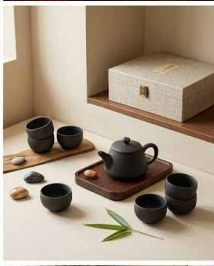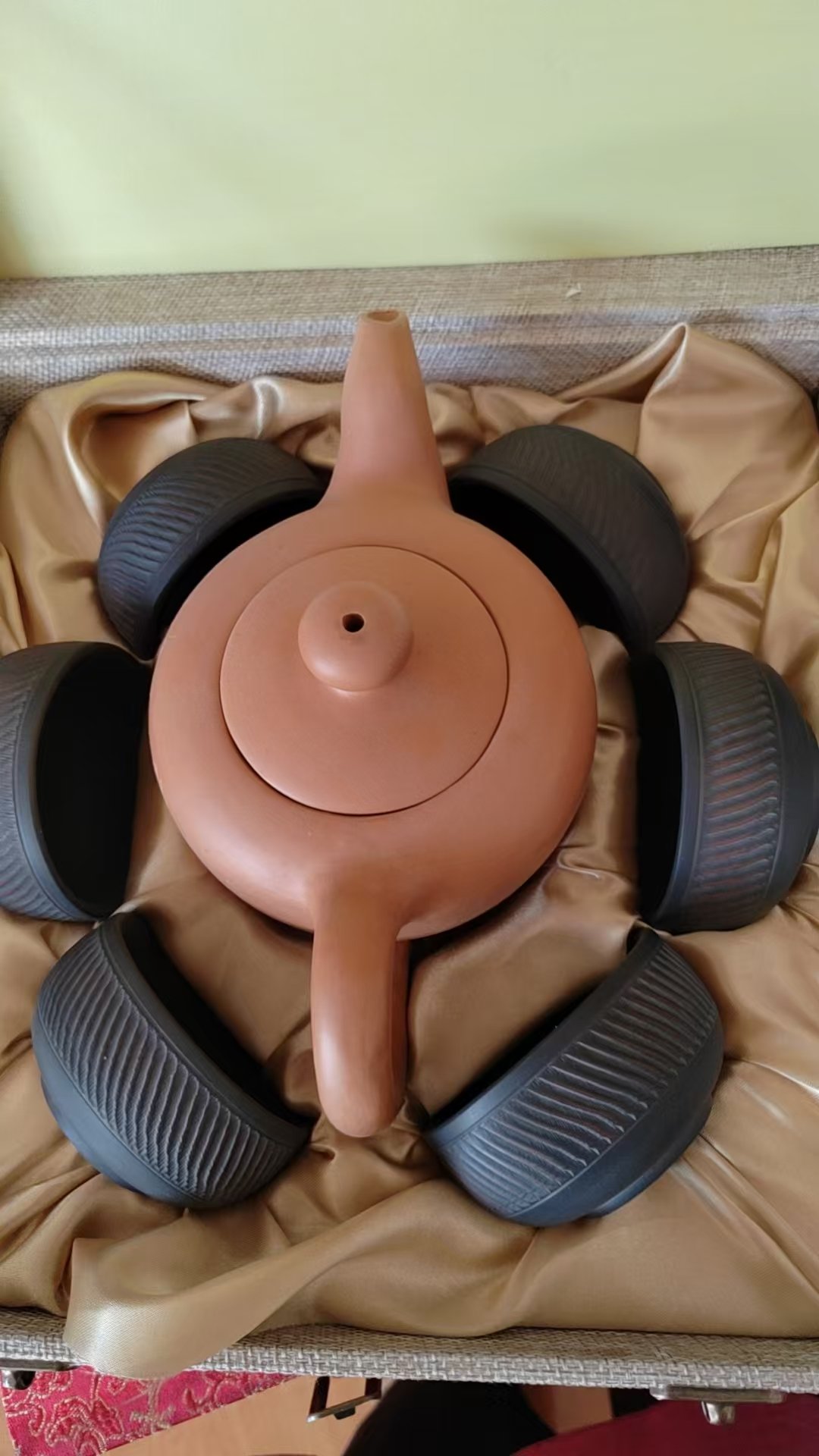
Black pottery tea culture represents a meeting point between two traditions that have shaped everyday life in East Asia for centuries. Tea invites people to slow down, pay attention, and appreciate small moments. Handmade black pottery encourages the same experience through texture, weight, and craftsmanship.
Although tea can be enjoyed using almost any vessel, many tea enthusiasts find themselves drawn toward handmade ceramics because they bring warmth and individuality to the ritual. Black pottery offers something unique within this world: a quiet presence that feels both ancient and contemporary.
The Long Relationship Between Tea and Ceramics
The history of tea is closely connected to the history of ceramics. As tea culture evolved across China, Japan, and other parts of Asia, artisans developed vessels designed not only for function but also for atmosphere and experience.
Cups, bowls, teapots, and tea trays became part of the ceremony itself. The material of the vessel influenced how tea was seen, held, and appreciated.
For centuries, ceramic traditions and tea traditions developed together.
Why Handmade Black Pottery Suits Tea Culture
Black pottery shares many values with traditional tea culture: patience, simplicity, and respect for natural materials.
The matte surface of black pottery reduces distraction and allows attention to move toward the tea itself. The weight of a handmade cup feels different from industrial ceramics. Small variations in texture remind the user that the object was shaped by human hands rather than a production line.
These qualities create a more personal relationship between the tea drinker and the vessel.
The Beauty of Texture and Simplicity
Tea spaces often rely on restraint rather than decoration. A simple wooden table, soft light, natural linen, and a handmade ceramic cup can create a complete atmosphere without excess.
Black pottery works especially well in these environments because its surface absorbs attention rather than demanding it. The vessel becomes part of the experience rather than the center of it.
This quiet character explains why black pottery is often associated with Wabi-Sabi and contemporary tea aesthetics.
Black Pottery in Contemporary Tea Spaces
Modern tea rooms frequently combine traditional objects with contemporary interiors. Black pottery fits naturally into these spaces because it bridges both worlds.
It works equally well beside traditional tea tables and minimalist interiors. Wood, stone, linen, and natural fibers all complement the depth of black ceramic surfaces.
Many tea enthusiasts also appreciate how black pottery changes subtly under different lighting conditions throughout the day.
Choosing Black Pottery Tea Ware
Different tea rituals call for different vessels.
Smaller cups encourage slower drinking and closer attention to aroma and temperature. Larger bowls create a more relaxed experience. Textured surfaces provide additional tactile interest, while smoother finishes highlight the shape of the vessel itself.
Choosing handmade tea ware often becomes less about technical specifications and more about personal connection.
Tea, Craftsmanship, and Everyday Rituals
One reason tea culture continues to attract people around the world is that it transforms ordinary moments into intentional rituals.
Handmade black pottery supports this experience by slowing the pace of interaction. Holding a handmade cup encourages awareness of weight, texture, and temperature in ways that factory-made ceramics often do not.
The result is not simply drinking tea. It is participating in a small daily ceremony.
Black Pottery and Tea Culture Today
In contemporary life, both tea culture and handmade ceramics offer something increasingly rare: an invitation to pause.
Black pottery does not compete for attention through decoration or complexity. Instead, it creates space for reflection and appreciation.
Perhaps this is why black pottery and tea culture continue to feel so naturally connected, even in modern homes far removed from the traditions that first brought them together.