Introduction
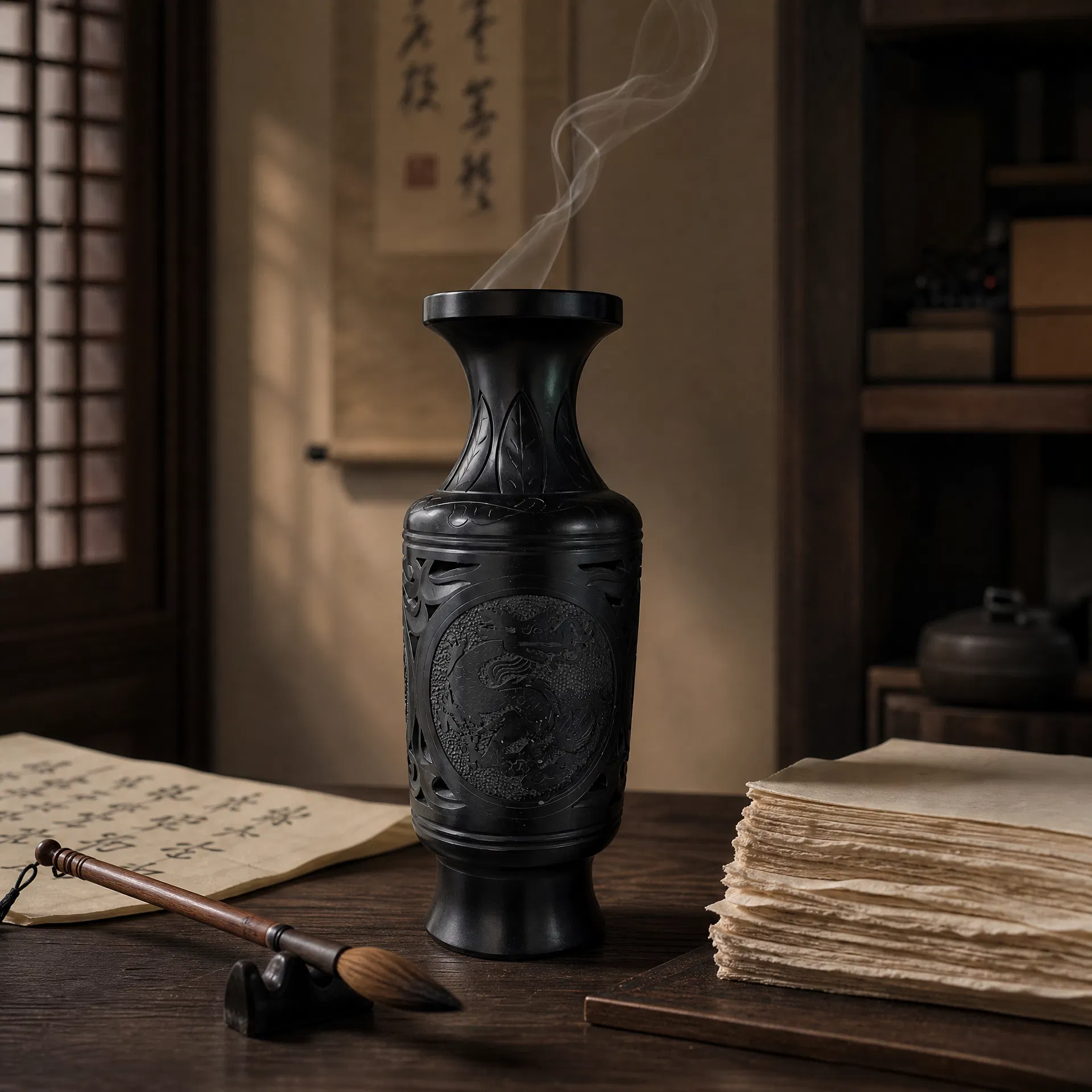
In the world of ceramics, few traditions captivate with the profound elegance and historical depth of Chinese black pottery. Often referred to as ‘black as lacquer, thin as paper, bright as a mirror, and hard as stone,’ this ancient art form, particularly exemplified by the Neolithic Longshan Culture, offers a unique blend of minimalist aesthetic and rich cultural heritage. For discerning collectors and interior design enthusiasts in Europe and North America, Chinese black pottery presents an opportunity to integrate pieces of profound history and understated luxury into contemporary living spaces.
A Glimpse into History: The Longshan Legacy
Originating over 4,000 years ago during China’s Neolithic period, the Longshan Culture is renowned for its sophisticated black pottery. Unlike earlier, more rudimentary forms of pottery, Longshan black pottery achieved an astonishing level of refinement. Artisans of this era mastered a unique firing technique in reduction atmospheres, which, combined with meticulous polishing, resulted in the distinctive lustrous black surface. The vessels were often incredibly thin-walled, a testament to the potters’ exceptional skill and precision. These pieces were not merely utilitarian; they were symbols of status and artistry, reflecting a society that valued aesthetic perfection and technical mastery.
The Craftsmanship: A Symphony of Earth and Fire
Creating Chinese black pottery is a labor-intensive process that demands immense skill and patience. It begins with carefully selected fine clay, often rich in iron. The clay is then meticulously hand-coiled or wheel-thrown to achieve the desired form, with an emphasis on symmetry and delicate thinness. After shaping, the pieces are often burnished with smooth stones to create a compact, polished surface before firing.
The magic truly happens in the kiln. The pottery is fired at high temperatures in a carefully controlled, oxygen-deprived (reduction) environment. This process, known as ‘carbonization,’ causes the iron oxides in the clay to turn black, and carbon particles from the smoke are absorbed into the surface, creating the characteristic deep, matte, or subtly glossy black finish. The absence of glaze allows the natural texture and inherent beauty of the clay to shine through, making each piece a unique expression of the potter’s touch and the kiln’s transformative power.
Aesthetic Appeal for the Modern Western Home
Chinese black pottery, with its sleek lines, minimalist forms, and profound black hue, resonates deeply with contemporary Western interior design trends. It effortlessly complements styles such as:
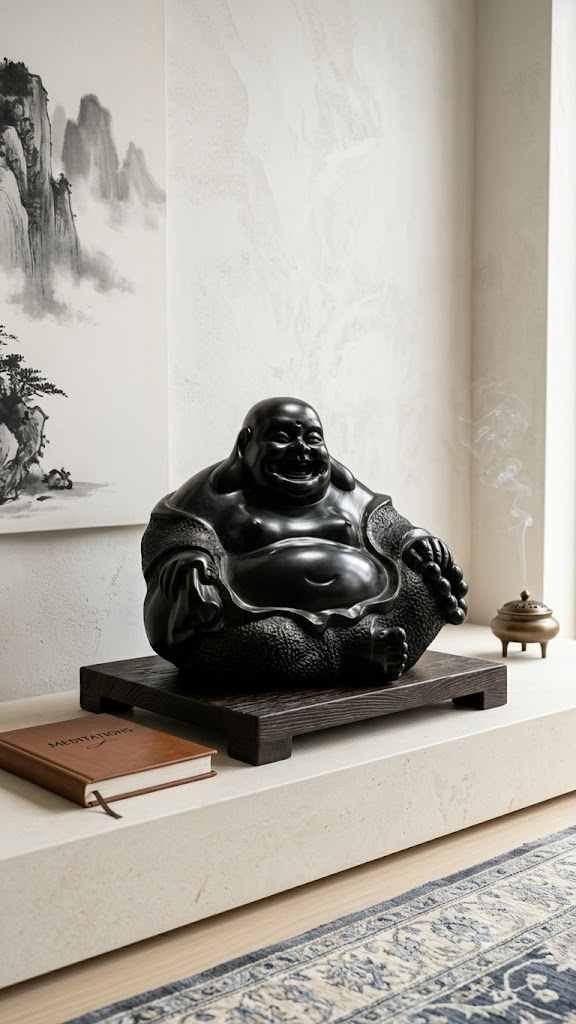
•Minimalism: Its clean, uncluttered aesthetic aligns perfectly with minimalist principles, adding depth without visual noise.
•Quiet Luxury: The understated elegance and artisanal quality of black pottery embody the ‘quiet luxury’ trend, favoring subtle sophistication over overt opulence.
•Modern Tuscan: While traditionally associated with warmer tones, the grounding presence of black pottery can provide a striking contrast and sophisticated anchor in modern Tuscan-inspired spaces.
•Wabi-Sabi: The appreciation for imperfection, natural materials, and the passage of time inherent in black pottery aligns beautifully with the Wabi-Sabi philosophy.
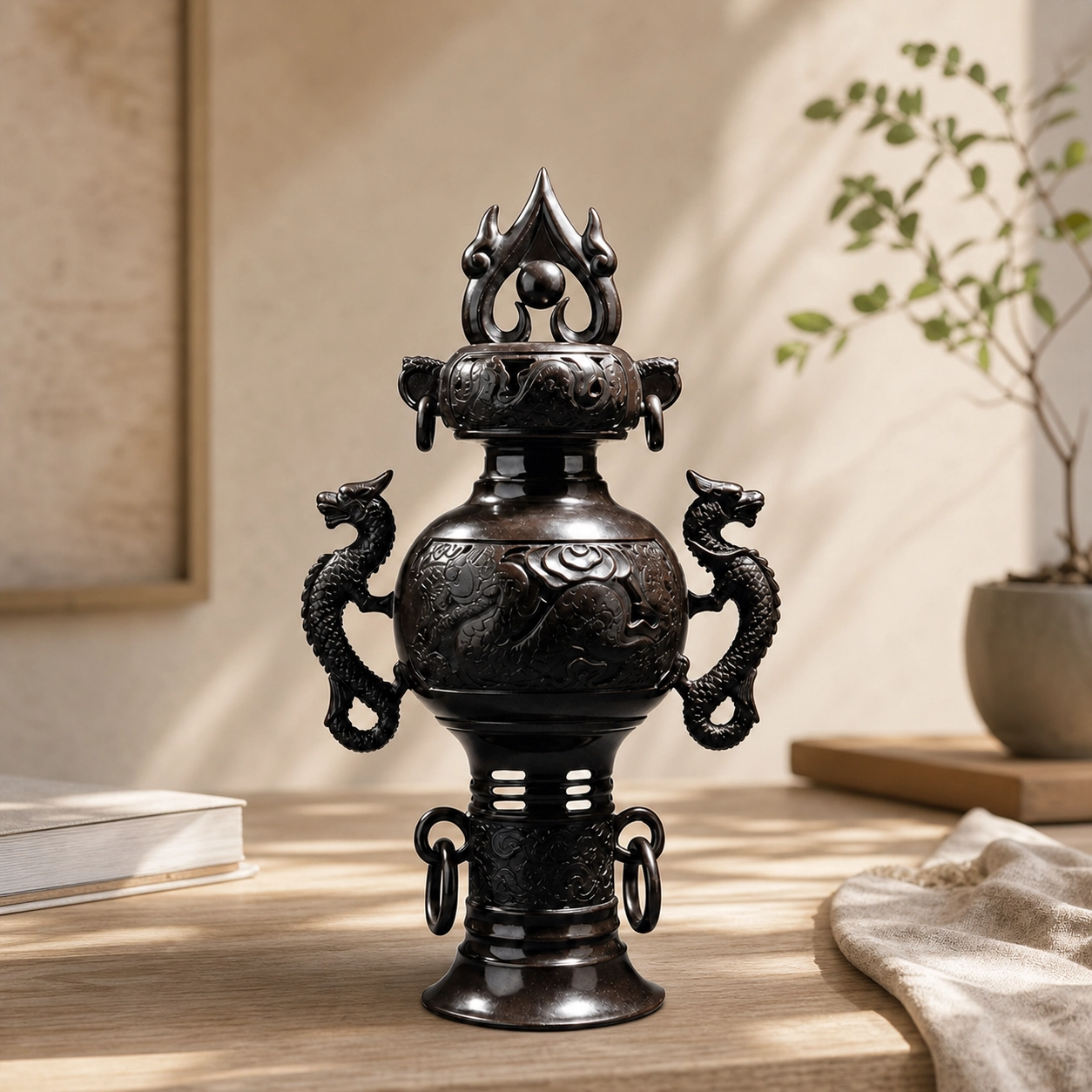
Whether as a standalone sculptural piece, a sophisticated vase for dried botanicals, or a unique serving dish, black pottery adds a touch of refined artistry and historical narrative to any room. Its versatility allows it to blend seamlessly with various color palettes and textures, from raw concrete and natural wood to soft linens and polished metals.
Beyond Decoration: Functionality and Collectibility
While undeniably beautiful, many contemporary Chinese black pottery pieces also serve practical functions. Tea sets, incense burners, and small bowls crafted in this style offer a tactile and aesthetically pleasing experience for daily rituals. The unglazed, porous nature of some black pottery can even enhance the flavor of certain teas, making it a favorite among tea connoisseurs.
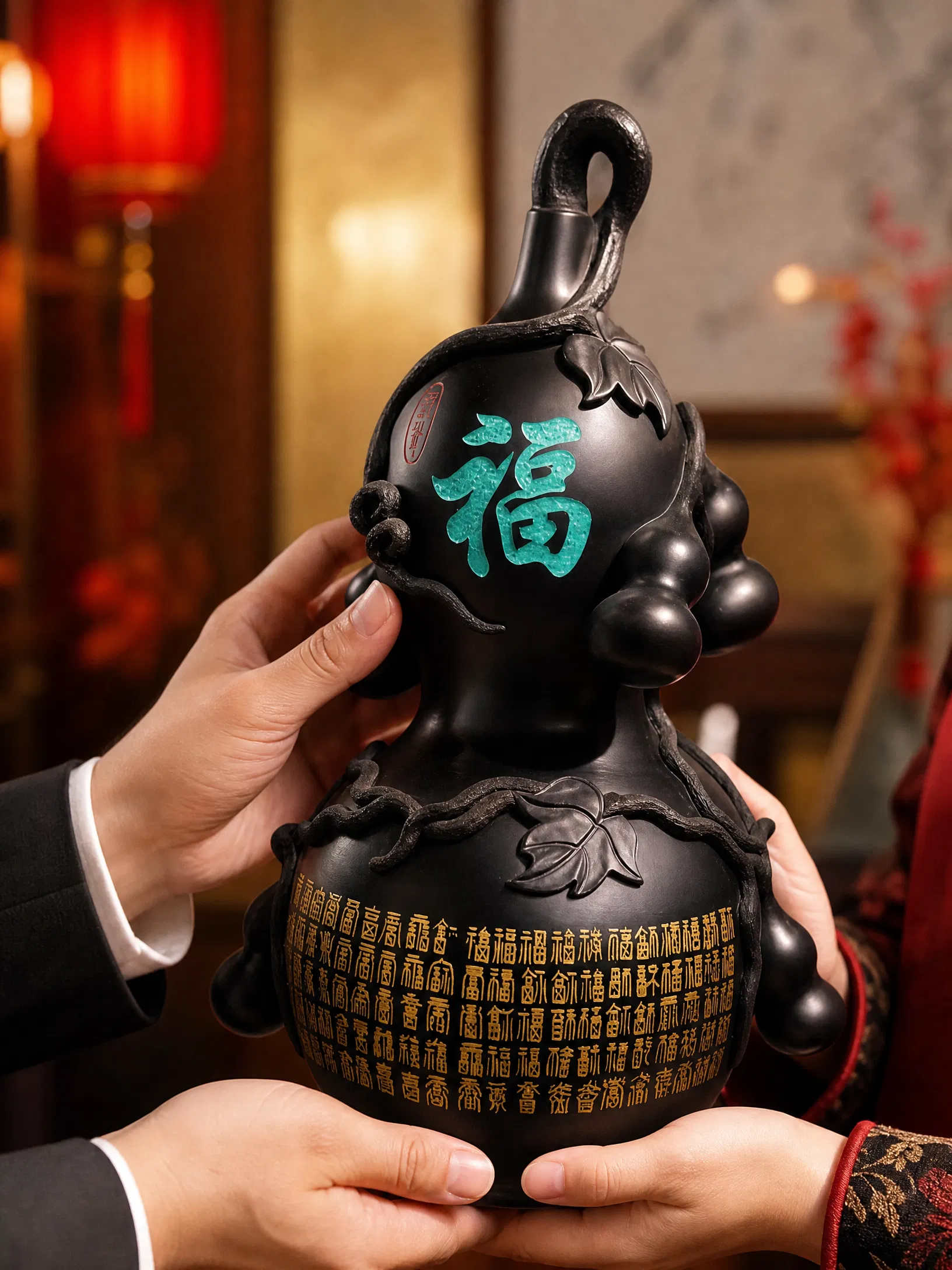
For collectors, Chinese black pottery represents a tangible link to ancient history and a testament to enduring craftsmanship. The rarity of authentic Longshan artifacts makes them highly prized, but modern artisans continue to produce exquisite pieces that honor the tradition while introducing contemporary interpretations. Investing in these pieces is not just acquiring an object; it’s embracing a story, a culture, and a legacy of artistic excellence.
Conclusion
Chinese black pottery stands as a bridge between ancient heritage and modern aesthetics. Its deep, mysterious black, combined with its delicate yet robust form, offers a timeless appeal that transcends cultural boundaries. For those in Europe and North America seeking to infuse their homes with history, artistry, and a touch of understated luxury, exploring the world of Chinese black pottery is an enriching journey into the heart of ceramic mastery.